

Direct Answer
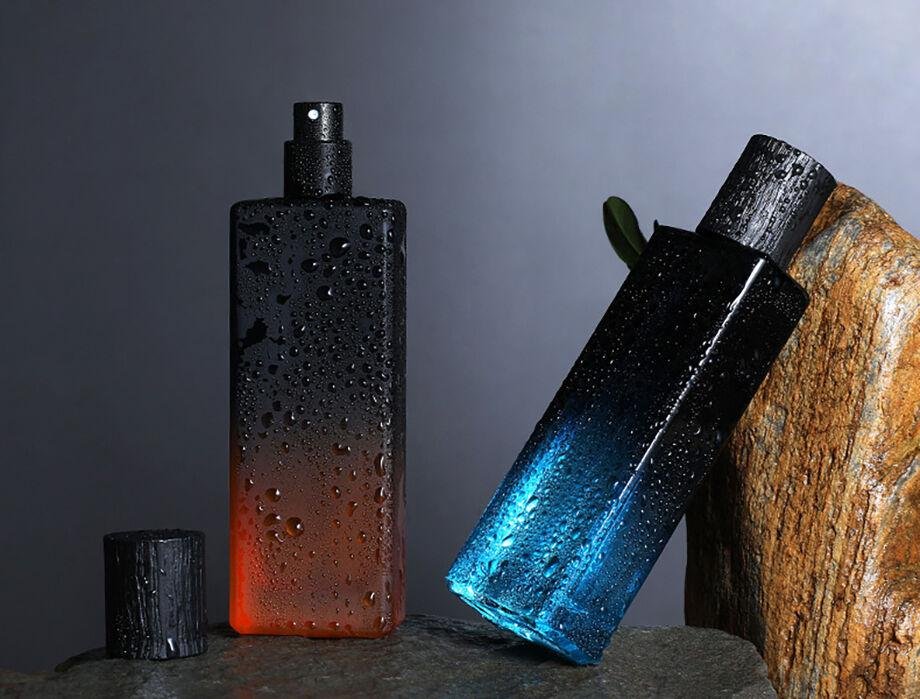
Color spraying gives glass bottles a customized surface color without changing the original glass mould. It allows brands to choose opaque or translucent colors, matte or glossy finishes, and selected coverage areas to create packaging that matches their visual identity. Qunyi Glass, based in Xuzhou, Jiangsu, China, offers color spraying alongside other glass decoration options for perfume, cosmetic, essential oil and home fragrance packaging.
The Color Is Part of the Brand
A glass bottle does more than hold a product. Its color helps customers recognize a brand, distinguish product lines and form an impression before they read the label.
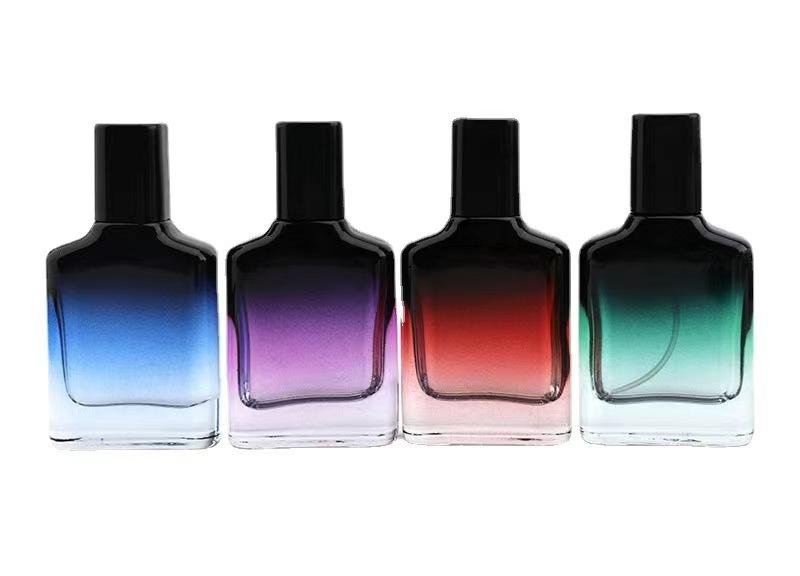
Clear glass offers a natural, transparent appearance, but it does not always match a brand’s desired visual identity. Color spraying provides another option: the same bottle shape can be developed in different colors for different fragrances, product collections or seasonal editions.
This is especially useful when a brand wants to keep an existing bottle design while changing its appearance. Rather than developing a new mould for every color variation, buyers can explore surface coating options on a suitable glass bottle.
Choosing the Right Color and Finish
The final appearance depends on both the color and the type of coating. A single color can look very different in matte, glossy or translucent finishes.
| Finish | Visual Effect | Suitable Applications |
|---|---|---|
| Opaque color | Covers the glass with a solid color | Cosmetic and perfume bottles |
| Translucent color | Adds a tint while retaining partial visibility | Essential oil and fragrance bottles |
| Matte finish | Soft, low-reflection appearance | Skincare and premium gift packaging |
| Glossy finish | Smooth surface with stronger reflection | Bright, modern packaging |
| Gradient finish | Gradual transition between colors | Perfume collections and limited editions |
The choice should reflect the product and the brand’s positioning. A matte finish can create a restrained, understated look, while a glossy surface makes colors appear brighter. Translucent coatings are useful when the brand wants to retain some visibility of the liquid inside.
Matching Brand Colors on Glass
A color reference is a starting point, not a guarantee of the final result. The appearance of a coating can change depending on the original glass color, transparency, coating coverage and surface finish.
For this reason, buyers should provide a Pantone reference, physical color sample or clear product photograph when discussing a custom spraying project. The manufacturer can then review the target color and prepare a sample for approval.
The physical sample matters because a color displayed on a computer screen may look different when applied to a curved glass surface. Checking the bottle under ordinary lighting also helps buyers evaluate whether the color is too dark, too bright or too transparent.
For repeat orders, the approved sample should be retained as the visual reference. This helps both sides compare later production against the original color and finish.
Full-Body or Partial Color Spraying?
Color spraying does not always need to cover the entire bottle. The decoration area can be planned around the bottle shape and the artwork.
Full-body spraying creates a consistent color across the bottle and works well when a strong brand color is central to the design. Partial spraying leaves selected areas clear, creating contrast between the coated surface and transparent glass.
Gradient spraying offers another option. It gradually transitions from one color to another or from a colored area into clear glass. This effect is often used for fragrance packaging, where the bottle itself becomes part of the visual presentation.
The bottle’s shoulders, curves and proportions should be considered before confirming the design. A physical sample helps show whether the transition and coverage work as intended.
Combining Spraying with Other Decoration
Color spraying can also serve as the background for additional branding details.
A colored bottle with a hot-stamped logo can create a strong contrast between the surface and metallic lettering. Screen printing adds brand names, product information or simple graphics directly to the bottle. Frosting can introduce a different texture to selected areas.
The order of decoration and the compatibility of the finishes should be reviewed together. Instead of approving each process separately, buyers should evaluate a completed sample to see how the colors, surface and logo work as one design.
What Buyers Should Confirm Before Production
Before placing a bulk order, buyers should confirm several details:
- Color reference: Provide a Pantone code or physical sample.
- Finish: Specify matte, glossy, translucent or another intended appearance.
- Coverage: Confirm whether spraying covers the full bottle or selected areas.
- Bottle shape: Check that the design works with the shoulders, curves and surface area.
- Additional decoration: Confirm the position and compatibility of printing, foil or other finishes.
- Sample approval: Check the actual bottle under normal lighting before production.
These details help reduce differences between the design concept and the finished packaging.
Custom Color Spraying with Qunyi Glass
The right color finish can turn a standard glass bottle into packaging that is more closely aligned with a brand’s identity. From solid colors to translucent effects and combined decoration, the process should be planned around the bottle shape, artwork and intended product presentation.
Qunyi Glass provides color spraying, frosting, screen printing, hot stamping and other surface decoration options for glass packaging projects. Brands and importers can discuss their bottle references, preferred colors and decoration requirements with the team before sample approval and production.
FAQ
Q1: Can glass bottles be sprayed in custom brand colors?
Yes. Buyers can provide a Pantone reference or physical sample to guide color development. The final color should be checked on an actual decorated bottle.
Q2: Can color spraying keep the liquid visible inside?
Yes. Translucent coatings allow some visibility, while opaque coatings cover the glass more completely. The required effect should be confirmed during sampling.
Q3: Can color spraying create a gradient effect?
Yes. Gradient spraying can create a transition between two colors or between a colored area and clear glass, depending on the bottle design and production requirements.
Q4: Can color spraying be combined with hot stamping?
Yes. A sprayed bottle can be combined with hot-stamped logos or other decoration methods, subject to process compatibility and sample approval.
Conclusion
Color spraying gives brands flexibility in bottle color, surface finish and visual identity without requiring a new glass mould for every design variation. The key is to confirm the color, coverage and finish on a physical sample before bulk production. Qunyi Glass supports customized glass bottle decoration for fragrance, cosmetic and home fragrance packaging. For a color-sprayed bottle sample or project inquiry, contact Qunyi Glass through our contact page.
Disclaimer: This article is published by Qunyi Glass for general glass packaging and decoration reference. Available finishes, color effects, process compatibility and production requirements depend on the bottle design and project specifications. Final appearance and order terms should be confirmed through a written quotation and approved physical sample.