

Direct Answer
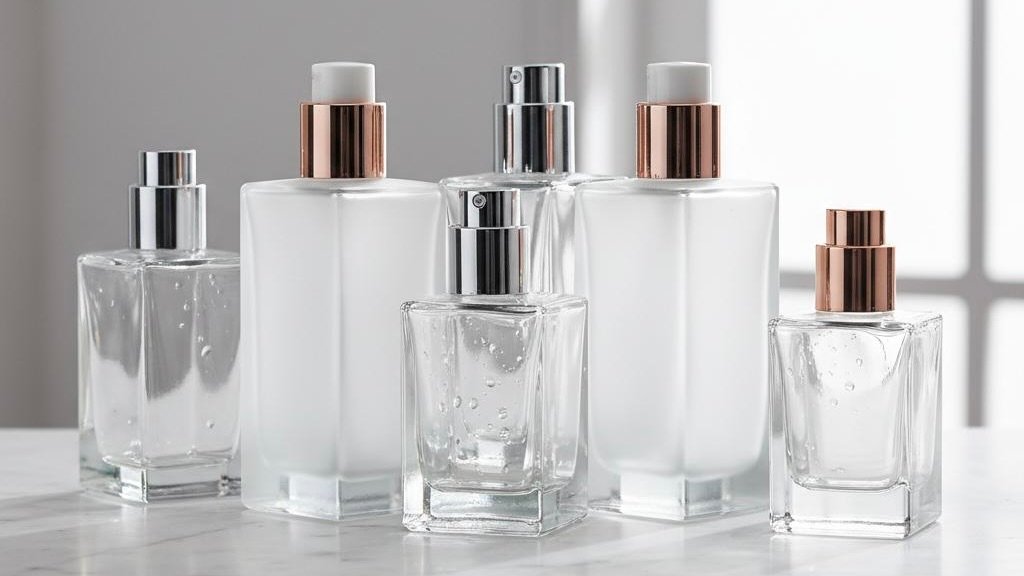
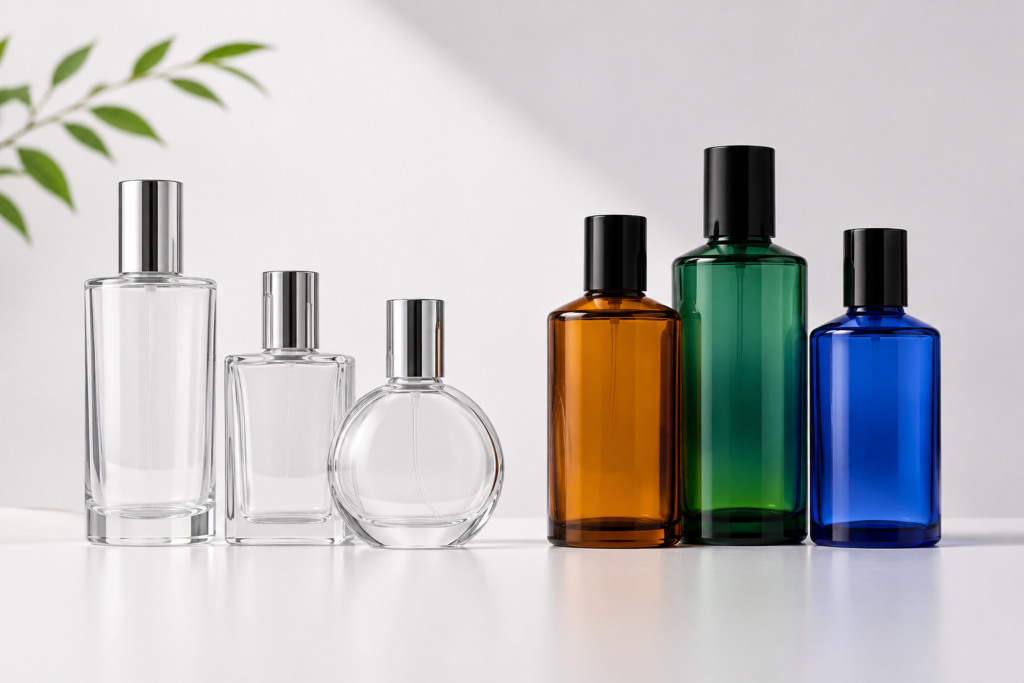
Clear and colored glass bottles serve different packaging purposes. Clear glass makes the product visible and gives brands a clean, natural appearance, while colored glass creates a stronger visual identity and can help limit light exposure when the glass color and formulation are suitable. The better choice depends on the product inside, the brand’s positioning, the required appearance and the decoration methods planned for the bottle.
For perfume, skincare, beverages and gift packaging, buyers should consider more than appearance. Bottle color affects how the contents look, how a logo stands out and how the finished packaging performs under its intended conditions.
Clear Glass: Visibility and Versatility
Clear glass is a popular choice when the product itself is part of the presentation. Perfumes with distinctive colors, essential oils, beverages and skincare formulas can all benefit from transparent packaging because customers can see the contents directly.
Its neutral appearance also gives brands considerable decoration flexibility. Clear bottles can be combined with screen printing, hot stamping, frosting, labels and other surface finishes. A metallic logo, for example, can stand out against the product visible through the glass, while a simple printed design creates a clean and understated look.
However, transparency also means that the bottle offers limited protection from light unless additional measures are used. For products sensitive to light, brands should evaluate the contents, storage conditions and packaging requirements before choosing clear glass.
Colored Glass: Stronger Visual Identity and Light Considerations
Colored glass gives packaging a more distinctive appearance. Amber, green, blue and other shades can help establish a recognizable product range, communicate a particular brand style and differentiate products on a retail shelf.
Color can also have a functional role. Certain colored glass formulations, particularly amber glass, can reduce the amount of light reaching the contents. However, the level of protection depends on the glass composition, color depth and relevant light wavelengths. Buyers should not assume that every colored bottle provides sufficient protection for a light-sensitive formula without checking its performance.
Colored glass can be particularly useful for essential oils, cosmetic products, beverage packaging and premium gift collections where both appearance and product requirements matter.
Clear vs. Colored Glass: Key Differences
The following comparison highlights the main considerations for packaging buyers.
| Consideration | Clear Glass | Colored Glass |
|---|---|---|
| Product visibility | Contents remain visible | Contents are partly or fully concealed |
| Brand appearance | Clean, transparent and versatile | More distinctive and visually recognizable |
| Decoration | Works with printing, frosting, hot stamping and labels | Decoration must be matched to the background color |
| Light exposure | Offers limited light protection | Some colors can reduce light transmission |
| Color consistency | Generally focuses on glass clarity | Requires attention to shade and batch consistency |
| Common applications | Perfume, skincare, beverages and gift bottles | Essential oils, cosmetics, beverages and specialty packaging |
Neither option is automatically better. The decision should reflect the product’s requirements and the visual direction of the brand.
Glass Color vs. Surface Color Spraying
An important point during sourcing is understanding how the bottle gets its color. A colored appearance does not always mean the glass itself is colored.
Colored glass has its color incorporated into the glass material during manufacturing. The appearance is part of the glass body itself.
Surface color spraying applies a colored coating to the outside of a glass bottle. This allows brands to develop a wider range of shades, including custom brand colors, matte finishes and more specialized visual effects.
The two approaches have different design and verification considerations.
| Feature | Colored Glass | Surface Color Spraying |
|---|---|---|
| Color location | Within the glass material | On the bottle surface |
| Appearance | Integrated glass color | Coated surface color |
| Color customization | Depends on available glass formulations | Can offer flexible color matching |
| Surface finish | Primarily determined by the glass itself | Can be developed in different finishes |
| Decoration planning | Consider contrast against the glass color | Consider coating appearance and compatibility with additional decoration |
For a project requiring a specific brand color, surface spraying may offer more flexibility. Buyers should request a physical sample to confirm the actual shade and finish rather than relying only on a digital color reference.
How to Choose the Right Bottle for Your Product
The most practical approach is to begin with the product and its packaging requirements.
For perfume and fragrance: Clear glass is suitable when the fragrance color and bottle contents contribute to the visual presentation. Colored glass or sprayed finishes can create a more distinctive identity for luxury and niche fragrance collections.
For skincare and cosmetics: Both options work well. Clear bottles create a clean, minimal appearance, while colored or sprayed bottles can help establish a consistent brand color system.
For essential oils: Light sensitivity should be considered carefully. Amber or other suitable colored glass may be preferable depending on the formulation and its storage requirements. Confirm light transmission requirements rather than choosing by color alone.
For beverages and gift products: Clear glass showcases the product, while colored glass can create a recognizable appearance for specialty drinks, seasonal collections and gift packaging.
Matching Bottle Color with Decoration
Bottle color is only one part of the finished packaging. Logo placement, printing, foil and surface finishes all influence the final result.
A gold hot-stamped logo may create a warm contrast against dark or amber-colored glass, while silver printing can provide a cooler appearance on blue or green backgrounds. On clear glass, a printed color block or frosted area can help create a more visible space for branding.
Before mass production, buyers should review the complete decorated bottle rather than approving each element separately. The glass color, surface treatment, logo position and decoration method need to work together.
What Buyers Should Confirm Before Ordering
Before placing an order, buyers should confirm several details with the manufacturer:
- Glass color: Is the color part of the glass material or applied through surface spraying?
- Color reference: Can the supplier provide a physical sample for shade approval?
- Product compatibility: Does the selected bottle meet the product’s light-protection and packaging requirements?
- Decoration: Will the chosen printing, frosting or hot stamping method work with the bottle surface?
- Batch consistency: How will color and surface appearance be checked during production?
- Final sample: Can the complete bottle, including its decoration and closure, be approved before mass production?
These checks help prevent differences between the intended design and the finished packaging.
Qunyi Glass: Custom Bottle Color and Decoration
Qunyi Glass provides glass bottle customization and surface decoration services, including color spraying, frosting, screen printing and hot stamping. These processes allow brands to develop packaging that combines bottle appearance with customized logos and decorative details.
For buyers deciding between clear and colored packaging, the project can begin with the bottle shape, preferred color reference and decoration requirements. A physical sample helps confirm the overall appearance before production moves forward.
FAQ
Q1: Are clear glass bottles better for perfume packaging?
Clear glass is a popular option because it displays the fragrance and creates a versatile appearance. Colored or sprayed bottles are also suitable when the brand wants a more distinctive design.
Q2: Does colored glass protect products from sunlight?
Some colored glass, particularly amber glass, can reduce certain wavelengths of light. The actual protection depends on the glass formulation and should be verified against the product’s requirements.
Q3: What is the difference between colored glass and sprayed glass bottles?
Colored glass has its color incorporated into the glass material, while sprayed bottles receive a colored coating on the surface. They differ in manufacturing method and decoration considerations.
Q4: Can clear glass bottles be customized with brand colors?
Yes. Surface color spraying, screen printing and other decoration methods can add brand colors and visual details to clear glass bottles.
Q5: Can hot stamping be applied to colored glass bottles?
Yes, hot stamping can be combined with colored or sprayed glass surfaces, subject to surface compatibility and sample testing.
Conclusion
Clear glass offers visibility and versatility, while colored glass creates stronger visual differentiation and may provide additional light protection depending on its composition. The right choice depends on the product, brand identity and decoration requirements.
Qunyi Glass supports custom glass bottle development and decoration, including color spraying, frosting, screen printing and hot stamping. To discuss bottle colors, surface finishes and customized packaging, contact Qunyi Glass through our contact page.
Disclaimer: This article is published by Qunyi Glass for general packaging and sourcing reference. Actual glass color, light transmission, surface finish, product compatibility and decoration performance depend on the specific bottle and project requirements. Final specifications should be confirmed through technical documentation and an approved physical sample.