

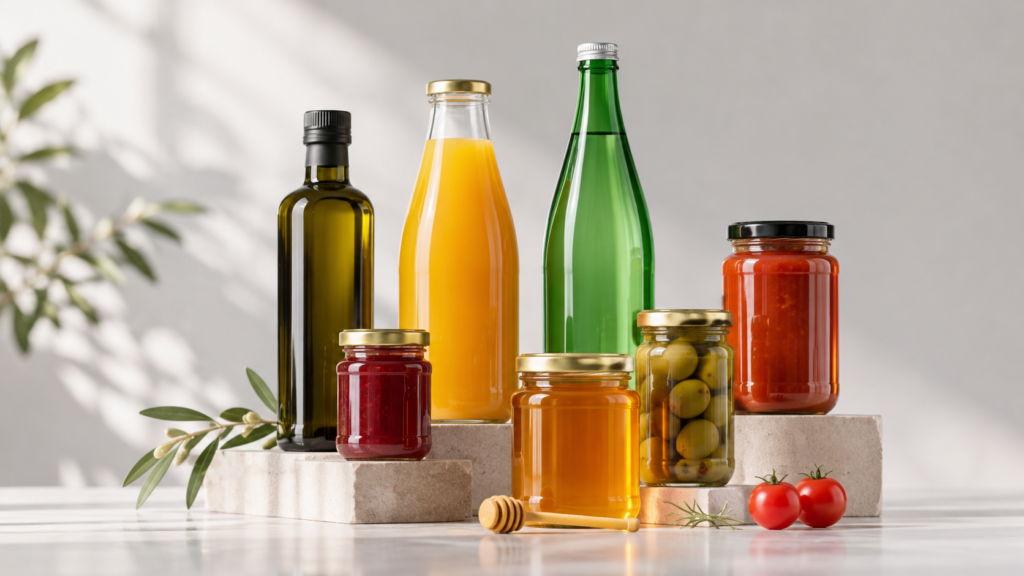
Glass packaging is gaining renewed attention across the global food and beverage industry. As consumers become more conscious of product ingredients, packaging materials and brand quality, glass bottles and jars are becoming an attractive choice for food producers, beverage brands and retailers. Its material stability, recyclability and premium appearance make glass relevant to several growing packaging needs.
Recent consumer research and industry data also suggest that this interest is reflected in purchasing preferences and market activity. For food and beverage brands, understanding these changes is important when selecting packaging materials, developing new products and planning long-term sourcing strategies.
Consumer Preferences Are Shaping Packaging Choices
Packaging is no longer viewed only as a container. Consumers increasingly consider how packaging materials relate to product quality, ingredient transparency and brand values.
According to research released by the Glass Packaging Institute (GPI) in October 2026, 64% of surveyed U.S. consumers wish more foods and beverages were available in glass bottles or jars. Among organic food buyers, the figure rises to 73%.
The research also found that 72% of respondents believe foods and beverages with healthier ingredient lists should use packaging materials they consider healthier. Meanwhile, 60% expect natural and organic brands promoting healthier ingredients to use glass packaging.
These findings highlight an important change: consumers may evaluate packaging as part of the overall product experience, rather than focusing exclusively on what is inside.
For brands selling organic sauces, premium beverages, specialty foods and natural drinks, glass packaging can help communicate product quality and material transparency.
Product Protection and Material Stability Remain Important
One of the main reasons food and beverage manufacturers continue to use glass is its stable material structure.
Glass is non-porous and chemically resistant under suitable conditions. Unlike some packaging materials, it does not readily interact with most food and beverage contents. This makes it suitable for products where maintaining original taste, aroma and product characteristics is important.
Common applications include:
- Fruit juices and specialty beverages
- Sauces, jams and condiments
- Pickled vegetables and preserved foods
- Olive oil and edible oils
- Wine, spirits and craft beverages
- Dairy products and specialty drinks
Glass containers can also support different filling and processing requirements, including certain hot-fill and pasteurization applications, when the glass design, thermal properties and production process are properly matched.
However, packaging performance depends on more than the container material. Bottle design, wall thickness, closure compatibility, filling conditions and transportation all need to be considered.
For manufacturers, selecting the right glass bottle or jar means balancing product protection with practical production requirements.
Sustainability Is Increasing the Appeal of Glass Packaging
Sustainability has become an important consideration in food and beverage packaging decisions. Brands are paying closer attention to material recovery, recyclability, packaging weight and the environmental impact of transportation.
Glass offers several characteristics that support circular packaging systems:
Recyclability
Glass can be recycled repeatedly without losing its fundamental material properties. Recycled glass, known as cullet, can be used as a raw material in new glass production.
Reuse potential
Certain glass bottles are designed for return-and-refill systems. When collection, cleaning and distribution infrastructure is available, reusable glass packaging can support repeated use cycles.
Material consistency
Glass provides a stable material that can be recycled into new glass containers when suitable collection and processing systems are in place.
The European Container Glass Federation (FEVE) reported that the European food and beverage glass container sector reached 73.3 billion units in 2025, with production and sales both increasing by 2% compared with the previous year. The report also highlighted an EU glass container recycling rate above 80% and continued progress in lightweight packaging.
These figures demonstrate how recyclability and production efficiency remain important industry priorities.
However, sustainability should be evaluated across the entire packaging lifecycle. Glass is relatively heavy and requires energy-intensive manufacturing, while transportation can contribute to its environmental footprint. Bottle weight, recycled content, transport distance and reuse infrastructure all influence the overall result.
For food and beverage brands, the most suitable packaging choice depends on the product, distribution model and local recycling system.
Premiumization Is Creating New Opportunities for Glass Bottles and Jars
Beyond functionality and sustainability, glass packaging has a strong visual role in product positioning.
In competitive retail environments, packaging influences how consumers recognize and perceive a brand. Glass offers transparency, weight, surface texture and a wide range of decorative possibilities that can support premium product presentation.
Several product categories demonstrate this opportunity:
| Product Category | Common Glass Packaging Applications | Design Priorities |
|---|---|---|
| Premium beverages | Juice bottles, tonic bottles, specialty drink containers | Bottle shape, clarity and label placement |
| Sauces and condiments | Food jars, sauce bottles, oil bottles | Easy filling, closure compatibility and visibility |
| Organic foods | Jam jars, honey jars, preserved food containers | Product visibility and practical storage |
| Wine and spirits | Wine bottles, liquor bottles and specialty containers | Color, weight and distinctive bottle shapes |
| Specialty foods | Gourmet food jars and small glass containers | Portion size, presentation and shelf appeal |
For premium brands, customization can further strengthen product identity.
Bottle colors, surface spraying, frosting, silk-screen printing and hot stamping provide different ways to create recognizable packaging. Custom molds also allow brands to develop distinctive shapes rather than relying entirely on standard container designs.
The goal is not simply to make a bottle look attractive. Packaging design should remain compatible with filling equipment, closures, transportation and the intended product application.
Lightweight Design and Packaging Efficiency Are Becoming More Important
While glass offers clear advantages, its weight remains a practical consideration for manufacturers and buyers.
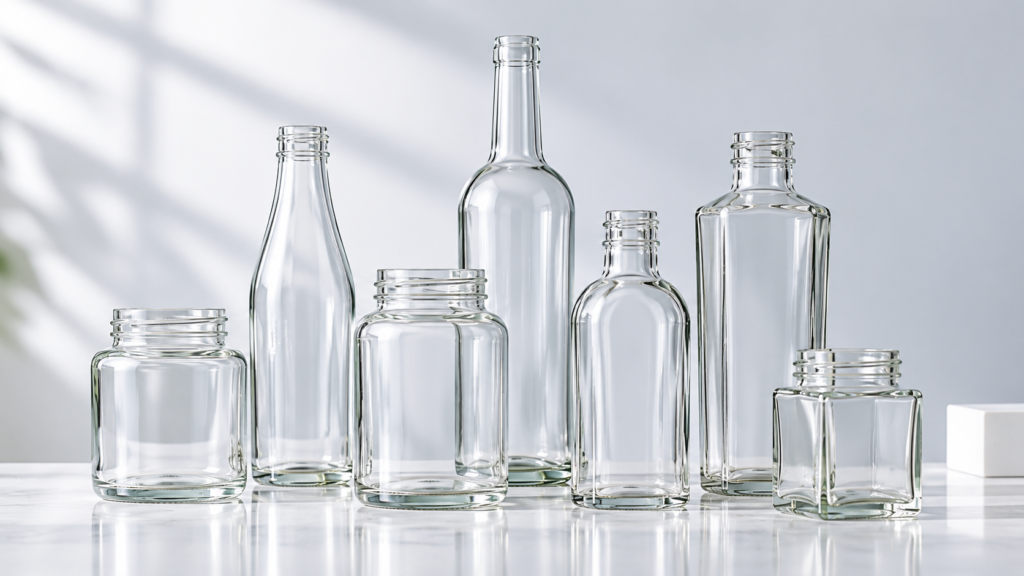
Heavy containers can increase transportation costs and create additional handling requirements, particularly for international shipments. As a result, lightweight glass bottle design has become an important area of manufacturing development.
Lightweighting involves reducing unnecessary material while maintaining the strength and performance required for the intended application.
Several factors need to be considered:
- Bottle capacity and overall dimensions
- Distribution distance and transportation conditions
- Wall thickness and structural strength
- Filling line compatibility
- Resistance to impact and handling damage
- Closure and sealing requirements
A lighter bottle is not automatically a better bottle. Excessive material reduction can affect durability and performance. Manufacturers need to evaluate the complete container design rather than focusing on weight alone.
For wholesale buyers, discussing packaging weight during the initial development stage can help balance material efficiency, transportation requirements and product protection.
What Food and Beverage Brands Should Consider When Sourcing Glass Packaging
As demand for glass packaging develops across different food and beverage categories, choosing a suitable manufacturing partner becomes an important part of the purchasing process.
Before placing a bulk order, buyers should evaluate several factors.
Product compatibility
Confirm that the selected glass material, bottle shape and capacity are appropriate for the intended food or beverage.
Closure and sealing
The bottle opening, neck finish and closure must work together to support the required sealing performance and filling process.
Customization capabilities
For brands seeking differentiated packaging, check whether the supplier can support custom molds, color spraying, frosting, screen printing and other decoration options.
Quality control
Ask about inspection procedures for dimensions, appearance, capacity, surface defects and packaging performance. Food-contact compliance documentation should also be confirmed according to the destination market and product application.
Production and export experience
For international wholesale orders, production consistency, protective packaging, shipping arrangements and communication are all important considerations.
A reliable glass packaging supplier should be able to discuss these requirements before production begins, helping buyers reduce unnecessary revisions and sourcing risks.
The Future of Glass Packaging in Food and Beverage
The growing interest in glass packaging reflects several changes happening across the food and beverage market. Consumers are paying closer attention to packaging materials, brands are investing in product differentiation, and manufacturers are exploring more efficient production and recycling solutions.
Glass is unlikely to replace every packaging material. Plastic, metal and other materials still offer advantages in specific applications, particularly where low weight, flexibility or cost efficiency is the primary consideration.
However, glass remains a competitive option for products that benefit from material stability, product visibility, distinctive presentation and established recycling systems.
For food and beverage brands, the opportunity lies in choosing packaging that matches both product requirements and market expectations.
As a glass packaging manufacturer in China, Qunyi Glass supports glass bottle and jar projects with manufacturing, custom mold development, surface decoration and related packaging services. By working with buyers on product specifications and design requirements, Qunyi helps develop glass packaging solutions for different food, beverage and brand applications.
The right packaging is not simply about choosing a material. It is about finding a balance between product performance, brand identity, manufacturing feasibility and long-term market needs.